
Single-pipe and two-pipe heating system: which fittings to choose for reliable system operation
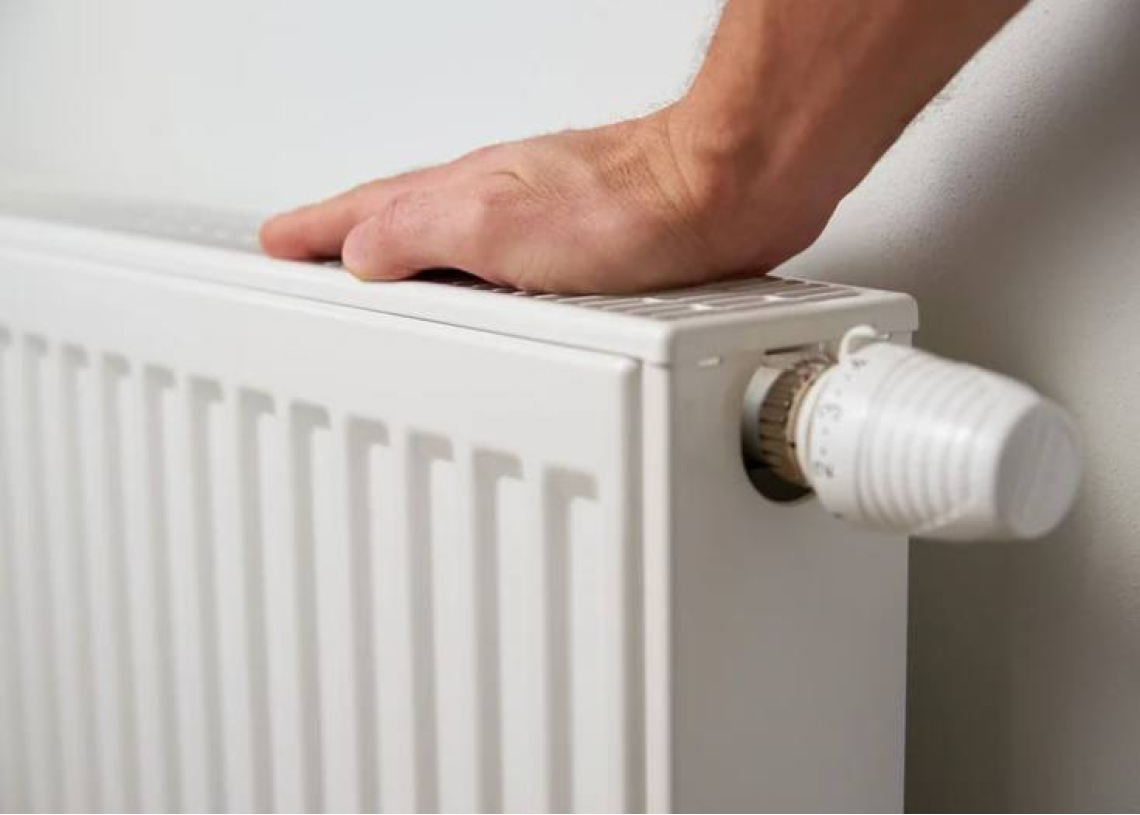
Single-pipe and two-pipe heating system: which fittings to choose for reliable system operation
When designing or modernizing heating, it is important to correctly determine the type of system — single-pipe heating system or two-pipe heating system. The selection of fittings, connection units and the stability of the entire network directly depend on this. Incorrect selection of components often leads to imbalance, cold radiators and difficulties with temperature regulation.
In this article, we will examine the difference between single-pipe and two-pipe systems, and also explain which fittings for heating systems should be used in practice.
What is a single-pipe heating system
A single-pipe heating system is a scheme in which the heat carrier passes through all radiators sequentially along one main line. Each subsequent radiator receives water with a lower temperature.
Main features of a single-pipe system:
- sequential connection of radiators
- simpler piping scheme
- less materials required
- more difficult precise temperature regulation
Two-pipe heating system: operating principle and advantages
A two-pipe heating system has separate supply and return lines. Each radiator receives heat carrier of the same temperature, which significantly simplifies balancing.
Advantages of a two-pipe system:
- uniform heating of all radiators
- simple temperature regulation
- stable operation on large facilities
- compatibility with thermostatic valves
Fittings for a two-pipe heating system:
- thermostatic valves
- shut-off and control fittings
- balancing valves
It is in two-pipe systems that quality fittings allow for the most accurate hydraulic balance adjustment.
Difference between single-pipe and two-pipe: what is important to consider when choosing
| Criterion | Single-pipe system | Two-pipe system |
|---|---|---|
| Heat distribution | Uneven | Even |
| Regulation | Limited | Precise |
| Fittings requirements | Highly specialized | Standard + balancing |
| Application area | Small facilities | Apartments, houses, commercial |
The difference between single-pipe and two-pipe systems lies not only in the piping scheme, but also in the requirements for each connection element.
Why proper fittings for heating systems are critically important
Inappropriate or poor-quality fittings lead to:
- hydraulic imbalance
- noise in the system
- energy waste
- difficult maintenance
Main elements that need to be selected correctly:
- shut-off valves
- thermostatic units
- bottom connection units
- balancing solutions
Professional fittings for heating systems must withstand temperature loads, have stable seals and precise geometry.
Connection units for a two-pipe system: a practical approach
In modern heating systems, ready-made connection units for a two-pipe system are increasingly used, which:
- simplify installation
- ensure correct flow direction
- allow easy radiator maintenance without draining the system
Such solutions are especially relevant for:
- new construction
- heating reconstruction
- facilities with increased requirements for aesthetics and reliability
Where it is advisable to use PLM solutions
PLM solutions are used in systems where the following are important:
- stable heating operation
- precise regulation
- professional installation
- long service life
PLM products are suitable for both single-pipe and two-pipe heating systems, ensuring compatibility with modern installation and design standards.
The choice between a single-pipe and two-pipe heating system should always be accompanied by the correct selection of fittings. It is quality valves, connection units and balancing elements that guarantee efficient, quiet and long-lasting system operation.
If the system is designed correctly, it works without intervention for years. And professional fittings for heating systems play a key role in this.